Showing posts with label Interviews. Show all posts

Tuesday, February 23, 2016

Interview with Lynne Griffin, author of Girl Sent Away


Toby Sedgwick is terrified by his daughter’s increasingly reckless behavior and takes a tough love approach, enrolling Ava in Mount Hope, a wilderness behavioral camp for troubled teens. Ava quickly realizes that the camp is little more than a prison, warehousing and abusing kids for their parents’ money. And after spending a disturbing weekend completing the parent portion of treatment, Toby knows it too.

As Ava desperately searches for a way out of Mount Hope, she is faced with resurfacing memories of a family tragedy. She can no longer suppress the pain of what happened to her mother and sister eight years earlier in Thailand. As father and daughter fight to get back to each other, the truth may irrevocably tear them apart.

INTERVIEW

What inspired you to write your most recent novel, Girl Sent Away? Did you set out to write a book that dealt with adolescent mental health? 
Like my other novels, Girl Sent Away is inspired by my work with families. I’m a counselor and I’ve worked with parents who’ve considered this tough love approach. Adolescent boot camps have been in and out of the news for years—and the reality of these places is controversial, with physical abuse, accidents, deaths, and little proof that these expensive, militaristic programs actually help. In my experience, the techniques aimed at coercing teens into submission actually make underlying mental health issues worse, not better. 

Was it a difficult topic to tackle/write about? 
We have a crisis in our mental health system and I feel compelled to contribute to the conversation any way I can. To me, the novel is an incomparable vehicle for exploring our emotional lives and raising social consciousness. Compelling stories have the ability to draw us in. They challenge our present attitudes, often shifting our perspectives. When I was writing Girl Sent Away, in deliberate ways I found myself imagining a story that might offer tangible emotional benefits to teens. A novel that when discussed, might foster deeper connections between us, richer communication, and ultimately a greater understanding of the preciousness of our mental health. 

How has your experience as a counselor influenced your writing? 
Over the years in my role as family and school counselor I’ve heard so many stories like the ones in Girl Sent Away. And I’ve been inspired by the brave teenagers—and their families—who’ve changed the course of their lives because they were willing to talk about their struggles, to understand and regulate emotion in the face of unprecedented societal pressure. 

You mention the importance of helping adolescents develop coping skills. Can you give examples? 
Building relationships—learning where we end and others begin—is forever a work-in-progress. Having emotional protection skills is no guarantee that every feeling experience or relationship will be positive—nor should we expect that—but not having them ensures that life will be complicated and relationships enmeshed and unhealthy. 
When emotional boundaries are well-developed, it makes it possible for us to separate our own thoughts and feelings from those of others. We are more able to take responsibility for our feelings, regulate our responses to those feelings and the behavior of others, and express our wants and needs thoughtfully and respectfully. 

Why do you think teens are hesitant to talk about mental health? 
Understandably teenagers may not want to talk about how they’re feeling or ask for help because they feel ashamed or scared. They worry others may judge them or treat them negatively based on their mental health diagnosis. In some cases that’s been their experience. They may have trouble admitting life is hard. They worry they’ll be perceived as weak or lazy because of their difficulties fitting in at school or maintaining relationships. The media doesn’t help here. As a society we’re quick to ridicule celebrities or label people unlike us pejoratively. We have a lot of work to do to normalize wide ranges of feeling states, lending a hand to those who experience tough times. 

What do you think it is going to take before society confronts these issues? 
I think as a society we are starting to confront these issues. We talk more openly now about anxiety and depression, substance use and abuse. We have less stigma around seeking professional counseling and family support. That’s not to say we don’t have a long way to go, but strides are being made to raise awareness about prevention and treatment. I have to be hopeful we’ll get there. 

Lynne Griffin is the author of the family-focused novels Girl Sent Away, Sea Escape, and Life Without Summer, as well as the nonfiction titles, Let’s Talk About It: Adolescent Mental Health and Negotiation Generation—Take Back Your Parental Authority Without Punishment. Lynne is a registered nurse and family counselor who teaches family studies at Wheelock College, and is the Social-Emotional Learning Specialist at an independent school in Boston. She teaches fiction writing at GrubStreet, an independent writing center in Boston and facilitates their program for soon-to-be published authors called Launch Lab.

Critics have noted that Lynne’s work is all heart—with “carefully crafted characters that ring heartbreakingly true” (Publisher’s Weekly, STARRED REVIEW, Life Without Summer), and that as a writer, Lynne tells her stories “with literary grace and a keen sense of human nature” (Carol Cassella, author of Oxygen), with the ability to “pluck the heartstrings” (Entertainment Weekly’s MUST READ LIST, Sea Escape)


Praise for Girl Sent Away
“Girl Sent Away is a sensitive, compulsively readable novel about the enduring devotion of a father and daughter, and the frightening, shadowy world of troubled teens.”—William Landay, author of Defending Jacob

With its young heroine and sensitive examination of adolescents in crisis, Girl Sent Away would do well to find a teen audience.  –Kirkus Reviews

A harrowing tale of family and adolescence–of the things parents do to keep their children whole and the terrible mistakes they make along the way. —Ivy Pochoda, author of Visitation Street


Wednesday, July 15, 2015

Interview / Guest Post! Molly Lee by Andrew Joyce


My name is Andrew Joyce, and I write books for a living. Cristina has been kind enough to allow me a little space on her blog to promote my new book, MOLLY LEE. The story is a female-driven account of a young naive girl’s journey into an independent, strong woman and all the trouble she gets into along the way.

Now you may possibly be asking yourself, What is a guy doing writing in a woman’s voice? And that’s a good question. I can only say that I did not start out to write about Molly; she just came to me one day and asked that I tell her story.

Perhaps I should start at the beginning.

My first book was a 164,000-word historical novel. And in the publishing world, anything over 80,000 words for a first-time author is heresy. Or so I was told time and time again when I approached an agent for representation. After two years of research and writing, and a year of trying to secure the services of an agent, I got angry. To be told that my efforts were meaningless was somewhat demoralizing to say the least. I mean, those rejections were coming from people who had never even read my book.

“So you want an 80,000-word novel?” I said to no one in particular, unless you count my dog, because he was the only one around at the time. Consequently, I decided to show them City Slickers that I could write an 80,000-word novel!

I had just finished reading Mark Twain’s Huckleberry Finn for the third time, and I started thinking about what ever happened to those boys, Tom and Huck. They must have grown up, but then what? So I sat down at my computer and banged out REDEMPTION: The Further Adventures of Huck Finn and Tom Sawyer in two months. Then sent out query letters to agents.

Less than a month later, the chairman of one of the biggest agencies in New York City emailed me that he loved the story. We signed a contract and it was off to the races, or so I thought. But then the real fun began: the serious editing. Seven months later, I gave birth to Huck and Tom as adults. And just for the record, the final word count is 79,914. The book went on to reach #1 status on Amazon twice, and the rest, as they say, is history.

But not quite.

My agent then wanted me to write a sequel, but I had other plans. I was in the middle of editing down my first novel (that had been rejected by 1,876,324 agents . . . or so it seemed) from 164,000 words to the present 142,000. However, he was insistent, so I started to think about it. Now, one thing you have to understand is that I tied up all the loose ends at the end of REDEMPTION, so there was no way that I could write a sequel. And that is when Molly asked me to tell her story. Molly was a character that we met briefly in the first chapter of REDEMPTION, and then she is not heard from again.

This is the description from MOLLY LEE:

Molly is about to set off on the adventure of a lifetime . . . of two lifetimes.

It’s 1861 and the Civil War has just started. Molly is an eighteen-year-old girl living on her family’s farm in Virginia when two deserters from the Southern Cause enter her life. One of them—a twenty-four-year-old Huck Finn—ends up saving her virtue, if not her life.

Molly is so enamored with Huck, she wants to run away with him. But Huck has other plans and is gone the next morning before she awakens. Thus starts a sequence of events that leads Molly into adventure after adventure; most of them not so nice.

We follow the travails of Molly Lee, starting when she is eighteen and ending when she is fifty-six. Even then Life has one more surprise in store for her.

As I had wondered whatever became of Huck and Tom, I also wondered what Molly did when she found Huck gone.

I know this has been a long-winded set up, but I felt I had to tell the backstory. Now I can move on and tell you about Molly.

As stated earlier, Molly starts out as a naive young girl. Over time she develops into a strong, independent woman. The change is gradual. Her strengths come from the adversities she encounters along the road that is her life.

With each setback, Molly follows that first rule she set against self-pity and simply moves on to make the best of whatever life throws her way. From working as a whore to owning a saloon, from going to prison to running a ranch, Molly plays to win with the cards she’s dealt. But she always keeps her humanity. She will kill to defend herself and she has no problem killing to protect the weak and preyed upon. However, when a band of Indians (for instance) have been run off their land and have nowhere else to go, Molly allows them to live on her ranch, and in time they become extended family.

This is from a review on Amazon:

A young female in nineteenth-century rural America would have needed courage, fortitude, and firm resolve to thrive in the best of circumstances. Molly Lee possesses all of these, along with an iron will and an inherent ability to read people accurately and respond accordingly.

I reckon that about sums up Molly.

I would like to say that I wrote MOLLY LEE in one sitting and everything in it is my pure genius. But that would be a lie. I have three editors (two women and one guy). They kept me honest with regard to Molly. When I made her a little too hard, they would point out that she had to be softer or show more emotion in a particular scene.

I set out to write a book where every chapter ended with a cliffhanger. I wanted the reader to be forced to turn to the next chapter. And I pretty much accomplished that, but I also wrote a few chapters where Molly and my readers could catch their collective breath.

One last thing: Everything in MOLLY LEE is historically correct from the languages of the Indians to the descriptions of the way people dressed, spoke, and lived. I spend as much time on research as I do in writing my stories. Sometimes more.

It looks as though I’ve used up my allotted word count (self-imposed), so I reckon I’ll ride off into the sunset and rustle up a little vodka and cranberry juice (with extra lime).

It’s been a pleasure, 

Andrew Joyce


Follow on Bloglovin

Friday, June 26, 2015

Book Blitz and Giveaway for The Witches of BlackBrook (The Witches of BlackBrook #1) by Tish Thawer

Publication date: June 23rd 2015
Genres: New Adult, Paranormal Romance
Amazon   B&N

Through space and time, sisters entwined. Lost then found, souls remain bound.

Three sisters escape the Salem witch trials when the eldest casts a spell that hurdles their souls forward through time. After centuries separated, fate has finally reunited them in the present day.

One the healer, one the teacher, and one the deceiver.

Will their reunion return their full powers, or end their souls journey forever?

A Witches of BlackBrook novel.

Author Interview

When and why did you begin writing?

In 2010 I woke up from a dream and had the title of my first book running through my head. Minutes later, I knew the other two titles, and had the entire story-line of The Rose Trilogy all worked out.

Who encouraged you or what made you decide to write a novel and seek publication?

I’ve been a member of Shelfari since 2007, and was asked to become a Librarian for them after putting in countless hours of editing. Being so emerged in books and seeing all the wonderful series on a daily basis while working in the backend of the site, to say that books had become my life, was an understatement. I’m now one of 13 Librarians for the hundreds of thousands of members, as well as one of it’s top 50 editors.

What drew you to write Paranormal Romance?

I always go back to the phrase, “Write what you know.” And while my genre is considered paranormal for the unrealistic and fantastical elements, it’s what I know. It’s what I prefer to read and what I’ve studied in my actual life. (Psstt…in case you’re wondering, yes, I’m a witch.)

Of all your characters, who’s your favorite, and why?

Raven. She’s tough but sensitive, sexy but tom-boyish, and has a wicked sense of humor and a sharp tongue.

What would you love to write someday but haven’t yet?

I started a contemporary romance trilogy that I’d love to return to. I just have to figure out how to write it without someone getting bitten and turning into a vampire or werewolf. LOL

Were books a big part of your life growing up? If so, what books would you say influenced you most as a child?

Actually…no. My mother was the reader in the family and to this day, she teases me about how it took thirty some years for me to finally catch on.

What are two things people might be surprised to know about you?

I’m 44, have 16 tattoos, and cuss like a sailor. (Sorry, Grandma.) I started teaching dance when I was 15 years old.

When you’re not writing, what do you enjoy doing?

Watching TV and movies, and playing games with my family.

Three things always found in your refrigerator:

Stuffed olives, Soda, Cheese

Writing is often a sedentary profession. Is there anything you do to beat stress and keep in shape?

I hike and exercise in my home, and dance as often as possible.

You’re in line at Starbucks. What are you ordering?

Java Chip Frap with Whip or a Caramel Apple Spice

Where do you go when you need to recharge?

Sedona, AZ or back home to Colorado.


Tish Thawer writes paranormal romances for all ages. Her magickal elements and detailed world-building are a welcome constant in every novel.

Before becoming a writer she worked as a computer consultant, a photographer and a graphic designer. She also operates a custom glass etching business, in addition to being a wife and the mother of three wonderful children.

She's been a fan of the paranormal for as long as she can remember. Anything to do with superpowers, myth and magic has always held a special place in her heart. From her first paranormal cartoon, Isis, to the phenomenon that is Twilight, this genre has always been a part of her life.

You can find Tish on Facebook at http://www.facebook.com/AuthorTishThawer
A common FAQ: "How do you pronounce her last name?"
Answer: Think "Bower" or "Thow-er". It's Persian!


a Rafflecopter giveaway

Follow on Bloglovin

Thursday, June 18, 2015

Guest Post and Giveaway for 32 Seconds by Johanna K. Pitcairn


To the average onlooker, the city of Los Angeles represents glitz, glamour, and the celebrity lifestyle. But to seventeen-year-old Julie Jones, the city is a vast host of problems she’s longing to get away from. The latest? An unfortunate disagreement with her ex-boyfriend Mark—one that could land her in some serious hot water.

So rather than face the troubles that torment her, Julie decides to run away from her old life and start fresh somewhere new. But her parents aren’t on board with the plan, and she soon finds her bank accounts frozen and her wallet empty.

With just seventy-five dollars and a full tank of gas, the troubled teen is far too stubborn to turn around and head home. So what’s a girl to do?

What Julie doesn’t know is that her travels are about to take her somewhere unexpected—a place where she’ll be forced to come face to face with the ghosts of her past in order to secure her future.


A tale of redemption, hope, and freedom lost and found, 32 Seconds is a thought-provoking exploration into the human spirit and the nature of forgiveness.


Author Interview

• How to tackle serious life issues in a story that teenagers would enjoy
Hi, and thank you for having me. Here’s one thing I learned from watching Disney movies: as long as you make the story relatable at a personal level, by touching the heart of the audience at the core, you can tackle any topic you want. And serious life issues, like growing up without parents, or being addicted to drugs, or having to survive death, and destruction, or the apocalypse, or teenage pregnancy, will never be relatable if the characters carrying the story aren’t somewhat likeable. That’s why I use animation movies as inspiration for my writing, because what seems simple, and superficial, is actually very deep, and the message sticks with me. And when the story has a good balance of funny and sad moments, it’s a homerun. 

Emotions speak to all of us. Once our emotions are triggered, and we get attached to the characters, their struggle becomes ours. It’s tough to be a teenager. But the beauty of being a teenager, is that the possibilities are infinite. They’re not adults yet, and not kids anymore. They’re strong, resilient, resourceful, and constant works in progress. They’re still so small against the big dangerous world. Practical necessities like paying the bills or looking for a job won’t be very attractive to a young audience. But talking about their feelings, and how they don’t quite fit in, how it’s tough to deal with a body constantly changing, and life on life’s terms, that will get a young (and older) mind going. As long as the writing touches the heart, any story can be told. 

• Reading/Writing quirks – any fun habits or quirks (dog-earring pages, reading the last page first, etc.) you have as a reader or writer?
My quirks as a reader have become very limited since I read most of my books as ebooks (unless that counts as a quirk…) But I love to read before bed. And I love to read on my morning and evening commute. When I don’t read, I write on my commute. My phone is my notepad. I never read the last page first, but I do judge a book by its cover a lot. If I like the design, I’m going to give the book a try. And if I don’t get hooked within the first chapter, I usually give up. Sometimes though, I continue reading despite not being into it at all, and some books grow on me. I can never tell. It’s always a surprise when I start a new book. 

• One question you wish you were asked in an interview and the answer you’d give.
A question I’m not asked very often is why I love writing, and why I chose to write books. It seems logical if I publish a book that I love writing, but it’s not always the case. I could write a book to prove myself something. I could publish one book, and never write again. So I love writing because it gives me freedom. It helps me exorcise my demons, and travel to universes I could never find on this earth and in this life. I love words because they’re like clay I can mold into anything I want. I’ve always loved writing, even if I find it very hard to write sometimes. My muse isn’t always cooperating. But I don’t give up. Being a writer is a lonely exercise but I wouldn’t express myself in any other way. It’s like breathing. I couldn’t live without it. Thank you for having me! I hope you enjoy 32 Seconds. Remember it’s free for download this week on Amazon.


Johanna K. Pitcairn has dreamed of becoming a writer since childhood--authoring her first novel at the age of nine, and countless poems, stories, and screenplays by the age of seventeen. Later, rather than pursuing a career as a director and screenwriter, she decided to go to law school, driven by her father's opinion that "writing does not pay the bills."

Ten years later, she moved to New York City, which inspired her to go back to the excitement, wonder, and constant change of being a writer. Pitcairn is a huge fan of psychological-thriller novels and movies, and delves into her hopes, fears, friends, enemies, and everything in between in her own writing.


a Rafflecopter giveaway

Follow on Bloglovin

Thursday, February 6, 2014

Interviu cu Sylvain Reynard, autorul Gabriel's Inferno

Dupa cum probabil ati aflat, seria Gabriel's Inferno va fi publicata de editura TREI


AE: Buna SR! Societatea Dante a Americii sau alte institutii academice te-au contactat sau au comentat in legatura cu prelegerile tinute in Seria Gabriel? Daca da, ce au avut de spus?

SR: Buna! Vreau sa multumesc fiecaruia dintre voi pentru sprijinul acordat. Il apreciez foarte mult. Nu, nu am fost abordat de cei de la Societatea Dante. Dar cred ca autoritatile locale din Florenta sunt fericite din cauza numarului mare de vizitatori adusi de cartile mele.

AE: Ce le-ar spune Julia cititorilor dupa ce termina de citit seria?

SR: Cred ca le-ar spune ca povestea ei a inceput cu grija si compasiune. Cand l-a intalnit prima data pe Gabriel l-a compatimit, iar apoi, mai tarziu, a ales sa il ierte cand ar fi putut sa il respinga sau sa ii poarte ranchiuna. Cred ca viata ei este o dovada despre ceea ce se poate intampla atunci cand ierti.

AE: A fost ceva la care a trebuit sa renunti - o scena sau ganduri ale unui personaj - in seria Gabriel, care ar fi fost amuzant de scris, dar nu si-ar fi avut locul in carti?

SR: Mi-a facut placere sa scriu despre Katherine Picton. Orice o are pe ea ca protagonista ar fi fost grozav. Dar mi-a placut si sa scriu despre Gabriel certandu-se cu cineva. Cred ca un schimb de replici mai amplu intre el si Pacciani la o conferinta pe tema Dante ar fi fost foarte distractiv.

AE: Ai creat un personaj puternic in Gabriel. Este greu de inlocuit (desi va avea o apritie temporara in The Raven). Iti faci griji ca urmatorii protagonisti masculini nu vor mai avea acelasi factor “wow”?

SR: Sper ca daca noii si vechii cititori vor acorda seriei Florentine o sansa, vor indragi personajele. In mod sigur Printul Florentei are multe calitati de oferit …

AE: Ai in plan nuvele, romane secundare sau scene speciale pentru celelalte personaje din serie, cum ar fi Rachel?

SR: Multi cititori mi-au pus intrebarea asta, lucru care m-a surpins si incantat. Imi plac Rachel si Aaron si ar fi interesant sa explorez povestea lor. Ma bucur ca fanii vor sa stie mai multe despre ei.
 
AE: Stim ca Seria Gabriel are ca baza literara operele lui Dante. Ce ne poti spune despre noua serie? Va fi bazata pe o alta capodopera?

SR: Sunt cateva surse in fundalul seriei Florentine, inclusiv operele lui Edgar Allan Poe si Othello de Shakespeare. Opera lui Botticelli, “Primavera”, va avea si ea un rol important.

AE: De ce ai ales The Raven ca titlu pentru urmatorul roman?

SR: Ma tem ca nu pot raspunde acum la acesta intrebare, dar titlul are mai multe semnificatii care vor fi clarificate mai tarziu.

AE: Ce te-a determinat sa te avanti in lumea paranormalului?

SR: Trilogia Gabriel are ca teme iertarea, speranta si izbavirea. In noul roman, temele principale sunt dreptatea si mila. Desigur, ca si in lucrarile mele precedente, speranta si izbavirea vor fi prezente, dar am vrut sa abordez teme mai intunecate si era necesar sa fac asta intr-o lume ca aceea din seria Florentine.

AE: Actiunea din operele tale de pana acum (inclusiv seria Florentine), se desfasoara in Florenta. Te-ai gandit si la alte locatii pentru romanele urmatoare?

SR: Franta si Spania imi vin acum in minte. Am avut intotdeauna  o slabiciune pentru Paris si Barcelona.

AE: Cand incepi sa scrii o carte stii intotdeauna cum se va termina?

SR: Da. Cred ca acesta este un lucru esential. Trebuie sa ai un scop in minte.

AE: Romanele tale au o doza mare de senzualitate si erotism, dar si componente majore morale si religioase. Ai fost criticat pentru folosirea ambelor aspecte?

SR: Da. Zambesc in timp ce scriu asta deoarece scriitorii primesc critici pentru multe lucruri, iar majoritatea nu au nimic in comun cu scrisul.
Daca ar fi o linie pe care nu as trece-o, ar fi aceasta. Cultura noastra vrea sa imparta fiintele umane in doua parti: trup si suflet si sa priveasca aceste parti ca si cum una nu ar avea nicio legatura cu cealalta. In consecinta, oamenii vor erotism fara spiritualitate sau spiritualitate fara erotism.
Resping aceste alternative in favoarea unei viziuni unitare a fiintei umane, si anume ca trupul si sufletul sunt parti ale aceluiasi intreg si inseparabile. Deci, in romanele mele, sexualitatea si spiritualitatea se intrepatrund pentru ca amandoua exista in fiinta umana. Sanctitatea casatoriei este un exemplu bun. Extazul transcendental al unui orgasm este altul.
Trebuie sa mentionez ca, daca ascultati muzica celor de le Mumford and Sons, veti intalni cantece care imbratiseaza si erotismul si spiritualitatea. In mod sigur, daca cititi romanele lui Graham Greene, veti observa ca si el include ambele aspecte. Si iubirea lui Dante pentru Beatrice este legata in mod indisolubil de iubirea lui pentru Dumnezeu. Amintiti-va ca ea este cea care isi face griji pentru sufletul lui cand se apropie de varsta mijlocie, si il implora pe Virgil sa il ghideze prin Infern. In concluzie, asta este ceea ce scriu si nu cred ca ma voi schimba.


AE: Adaugi referintele literare si artistice dupa ce scrii dialogul/scena sau scrii dialogul/scena in asa fel incat sa faca referinta la acestea?

SR: Ambele, dar depinde si de scena. Uneori scena se preteaza unei anumite referinte artistice, alteori referinta apare dupa prima redactare.

AE: Ce subiect nu ai include in romanele tale?

SR: Stiinta actuariala si impozitele sunt subiecte pe care le-as evita.

AE: Muzica este un element esential in seria Gabriel, ne intrebam daca si tu esti muzician? Daca da, la ce instrumente canti?

SR: Obisnuiam sa cant din cand in cand, dar nu as vrea sa ma laud singur.

AE: Daca ai putea sa inviti la cina un autor care te-a inspirat si sa ai ocazia de a-i pune intrebari, pe cine ai invita si de ce?

SR: Dante si Virgil ar fi niste oaspeti excelenti, dar nicio cina nu ar fi perfecta fara Beatrice.

Ii multumim lui Sylvain Reynard pentru amabilitate. Acest interviu a fost organizat de Argyle Empire impreuna cu moderatorii conturilor GIFans din intreaga lume. Traducere de Mihaela si Cristina. Speram ca v-a placut!

Follow on Bloglovin

Monday, October 28, 2013

The Book Thief Official International Trailer


Romanul este aparut in Romania la Editura RAO.


Este anul 1939. Germania nazistă. Ţara îşi ţine răsuflarea. Moartea nu a avut niciodată mai mult de lucru, şi va deveni chiar mai ocupată. Liesel Meminger şi fratele ei mai mic sunt duşi de catre mama lor să locuiască cu o familie socială în afara oraşului München. Tatăl lui Liesel a fost dus departe sub şoapta unui singur cuvânt nefamiliar - Kommunist -, iar Liesel vede în ochii mamei sale teama unui destin similar. Pe parcursul călătoriei, Moartea îi face o vizită băieţelului şi o observă pe Liesel. Va fi prima dintre multe întâlniri apropiate. Lângă mormântul fratelui ei, viaţa lui Liesel se schimbă atunci când ea ridică un singur obiect, ascuns parţial în zăpadă. Este Manualul Groparului, lăsat acolo din greşeală, şi este prima ei carte furată. Astfel începe o poveste despre dragostea de cărţi şi de cuvinte, pe măsură ce Liesel învaţă să citeasca cu ajutorul tatălui ei adoptiv, care cânta la acordeon. În curând, va fura cărţi de la incendierile de cărţi organizate de nazişti, din biblioteca soţiei primarului, şi de oriunde le mai putea găsi. Hoţul de cărţi este o poveste despre puterea cuvintelor de a creea lumi. Cu o scriitură superb măiestrită şi arzând cu intensitate, premiatul autor Marcus Zusak ne-a dăruit una dintre cele mai durabile poveşti ale timpurilor noastre.


Interviu autor:

Cum ai devenit scriitor?
ÃŽn copilărie visam să mă fac zugrav, ca tata, dar tot timpul făceam boacăne când mă duceam cu el la muncă să-l ajut. Mereu mă împiedicam de cutiile cu vopsele ÅŸi să rămân blocat în vreun colÅ£ din care nu puteam ieÅŸi decât călcând pe vopsea proaspătă. Mi-am dat seama destul de repede că zugrăvitul mă plictisea. ÃŽn adolescenţă am citit câteva cărÅ£i în al căror univers reuÅŸeam să mă scufund complet. Una a fost Bătrânul ÅŸi marea, alta a fost Gilbert Grape. Când citeam cărÅ£ile acelea mă gândeam “Asta mi-ar plăcea să fac.” Mi-au trebuit ÅŸapte ani ca să reuÅŸesc să public ÅŸi m-am confruntat zilnic cu eÅŸecuri. Mă bucur însă că acele eÅŸecuri ÅŸi refuzuri s-au petrecut. M-au făcut să înÅ£eleg că ceea ce scriam nu era suficient de bun, astfel încât m-am străduit să mă perfecÅ£ionez.

Ai anumite obiceiuri atunci când scrii?
De fapt, am doar două. Prima este să nu fiu leneş, când mă scol la şapte dimineaţa şi mă străduiesc să termin în jur de 11.30. Dar de fapt durează până spre prânz (cu ceva timp pierdut la mijloc). Apoi fac o pauză lungă şi mai lucrez câteva ore după amiaza. Celelălat obicei e chiar contrariul. Am perioade de lenevie când încep să scriu pe la 10 şi lucrez mai mult după amiaza.
Aceste obiceiuri mi se schimbă doar când incept sau termin o carte. Atunci lucrez mai mult noaptea. Nu sunt în stare să mă apuc de o carte dis-de-dimineaţă, din simplul motiv că sunt mult mai puţin încrezător în forţele mele când mă trezesc. Când termin o carte stau până târziu şi lucrez chiar toată noaptea, pur şi simplu din disperarea de a termina odată.

Care a fost inspiraţia pentru Hoţul de cărţi?
HoÅ£ul de cărÅ£i trebuia să fie o carte mică, doar circa o sută de pagini. ÃŽn copilărie tot auzeam poveÅŸti despre München ÅŸi Viena din timpul războiul, când părinÅ£ii mei erau copii. Două dintre poveÅŸtile spuse de mama m-au marca. Prima era despre bombardarea Münchenului ÅŸi a cerului în flăcări, despre cum totul devenise roÅŸu. A doua era despre ce văzuse ea…
ÃŽntr-o zi a auzit un zgomot infernal venind de pe strada principală ÅŸi când a fugit să afle ce se-ntâmpla, a văzut cum erau mânaÅ£i evreii spre Dachau, spre lagărul de concentrare. ÃŽn ultimul rând se afla un bătrân, numai piele ÅŸi os, care nu reuÅŸea să Å£ină pasul. Un băiat a văzut asta ÅŸi a alergat spre el, dându-i o bucată de pâine. Bătrânul a căzut în genunchi, i-a sărutat băiatului picioarele ÅŸi i-a mulÅ£umit… Dar un soldat a observat scena ÅŸi s-a apropiat, smulgând pâinea din mâna bătrânului ÅŸi biciuindu-l pentru că o acceptase. Apoi l-a fugărit pe băiat ÅŸi l-a lovit ÅŸi pe el. O clipă în care au existat laolaltă bunătate nemaipomenită ÅŸi cruzime inimaginabilă, care mi s-a părut o descriere excelentă a naturii umane.
Când mi-am amintit de aceste două poveşti mi-am dorit să le includ într-o carte mai mică, după cum spuneam. Dar rezultatul a fost Hoţul de cărţi, care a ajuns să însemne mult mai mult pentru mine decât mi-aş fi putut imagina vreodată. Indiferent ce s-ar spune despre carte, de bine sau de rău, eu ştiu că este ce am putut da mai bun din mine, şi nu cred că un scriitor poate să-şi ceară sieşi mai mult de atât.

Când vrei să te relaxezi, să mai scapi de scris, ce faci?
Pentru că locuiesc în Sydney, m-am apucat din nou să fac surfing. Una dintre cele mai frumoase amintiri de când eram mai mic este când am reuÅŸit prima dată să prind un val, iar fratele meu mă încuraja de pe mal. MulÅ£i ani mai târziu m-am reapucat de surfing ÅŸi îmi place, cât vreme valurile sunt suficient de mici… ÃŽmi place ÅŸi să mă uit la filme, mai ales când mă lupt cu câte o poveste. Câteodată mă uit de mai multe ori la un film, pe de o parte urmăresc acÅ£iunea, pe de alta mă gândesc la carte.

De unde îţi vine inspiraţia?
ObiÅŸnuiam să mint despre asta, dar acum chiar ÅŸtiu… M-am apucat de scris la ÅŸaisprezece ani. Acum am peste 30. Deci ideile îmi vin din paisprezece ani de gândit la ele.

Saturday, September 21, 2013

Interviu fulger cu Colleen Hoover!


RASPUNSURILE LUI COLLEEN SUNT CELE SCRISE CU ROSU

1. Cu ceva timp în urmă am dormit.
2. Sunt îngrozită de publicitate.
3. N-am crezut vreodată că voi ajunge în poziția în care mă aflu astăzi.
4. Primele sărutări sunt perfecte atunci când sunt de la Holder.
5. Ciocolata este cea mai bună mâncare din lumea întreagă.
6. Când eram copil, citeam Judy Bloom iar, È™i iar, È™i iar…
7. Când sunt acasă, sunt fericită.
8. Băutura mea preferată este Pepsi Diet, pentru că este cea mai bună din lumea-ntreagă!
9. Travis*, Lucas**, și Marcus***. O Doamne!
10. Iubirea adevărată exista, dar nu apare cu ușurință.
11. Cred că Avett Brothers sunt cea mai buna trupa din istoria trupelor!
12. Știți că sunt îndrăgostită (de personajele mele), atunci când scriu zile în șir, fără oprire.
13. Cărțile sunt o mare evadare.
14. Crearea de povești este ceea ce îmi place să fac cel mai mult pentru că nu îmi pot imagina că nu au căutare. Cu toate acestea, nu vreau să se transforme în muncă.


* Travis Maddox, personaj principal din Fericirea incepe azi de Jamie McGuire, editura TREI
** Lucas Maxfield, personaj principal din E usor sa te iubesc de Tammara Webber, editura EPICA
*** Marcus Hardy, personaj principal din Because of Low de Abbi Glines.


Saturday, September 14, 2013

Interviu! Colleen Hoover, autoarea celebrului roman Fara speranta

ACUM IN LIBRARII!

EPICA/New Adult/Contemporary
Fiction/love-story

#1 NEW YORK TIMES BESTSELLER
Îndrăgita autoare de bestselleruri Colleen Hoover istorisește, la această primă întâlnire cu publicul din România, fascinanta poveste a doi tineri cu un trecut tulburător, care pornesc într-o pasionantă şi palpitantă călătorie pentru descoperirea sensurilor vieţii, iubirii, încrederii şi, mai presus de orice, a puterii vindecătoare pe care numaiadevărul o poate avea.
Sky, elevă în ultimul an de liceu, îl cunoaşte pe Dean Holder, un tip cu o reputaţie îndoielnică, rivalizând cu a ei însăşi. Încă de la prima lor întâlnire, acesta o îngrozeşte şi, în același timp, o captivează. Ceva inexplicabil legat de el îi declanşează amintiri din adâncurile trecutului ei tulbure, dintr-o perioadă aproape ștearsă din memoria ei. Deşi Sky e hotărâtă să se ţină la distanţă de el, insistenţele lui neabătute şi zâmbetul enigmatic îi doboară barierele protectoare, iar legătura dintre ei creşte în intensitate. Însă misteriosul Holder ascunde, la rândul lui, destule secrete, iar de îndată ce acestea sunt dezvăluite, Sky cunoaşte o transformare ireversibilă, iar capacitatea ei de a avea încredere în semeni poate deveni o pierdere colaterală provocată de adevăr.
Numai înfruntând cu mult curaj dezvăluirile crude, Sky ÅŸi Holder pot spera să-ÅŸi vindece rănile sufleteÅŸti ÅŸi să găsească o cale de a trăi ÅŸi de a iubi pe deplin. Fără speranță este un roman care vă va tăia respiraÅ£ia, captivându-vă ÅŸi amintindu-vă de prima voastră iubire.

***

BM: Bună Colleen! Ne bucurăm foarte mult să te avem astăzi aici!

Iată că a venit mult asteptatul moment al apariÈ›iei cărÈ›ii Fără speranță – Hopeless în librăriile româneÈ™ti. Ne poÈ›i spune câte ceva despre ea?


Fără speranță este o poveste care se desfășoară în jurul lui Sky Davis, o adolescentă de 17 ani. Există un pic de mister, dramă și romantism, dar e plină de intrigi și răsturnări de situație, deci nu vă pot dezvălui prea multe despre ea .

BM: Ooh, sună foarte interesant! Ce gen este? 


Contemporary romance.

BM: Cărui segment de cititorii se adresează?


Se încadrează cel mai bine în categoria New Adult, despre care auzim atât de multe acum. Deși se concentrează asupra vieții adolescenților, face apel mai ales la adulți, datorită temelor prezente în ea. Am primit recenzii excelente atât de la adolescenți cât și de la persoane de șaptezeci de ani. Deci, într-adevăr, se potrivește tuturor vârstelor.

BM: Completează această frază: Dacă vă plac (...), veți iubi Hopeless!


Intrigile șocante.

BM: Ar trebui să te întrebăm despre Sky, dar suntem intrigate de Dean Holder. Spune-ne un pic mai mult despre el . Nu spoilere, totuși.


Dean Holder este un mister. Nici Sky, nici cititorul nu-l pot înțelege. E intens, tăcut (la început) și nu oferă prea multe explicații pentru atitudinea lui contradictorie. Dar, pe măsură ce aflați mai multe despre secretul lui, toate acțiunile sale capătă sens.

BM: 2012 a fost un an aglomerat pentru tine cu celelalte două cărți, Slammed și Point of Retreat și acum Fără speranță. Ai reușit să mai și dormi?


Nu prea mult, dar din fericire nu am nevoie de foarte mult. Cei trei copii mici m-au pregătit pentru nopțile
lungi.

BM: Trei copii mici? Spune-ne un pic mai mult despre tine, Colleen.


Am 33 de ani. Sunt căsătorită cu soțul meu de la douăzeci de ani și avem trei băieți. Locuim în același orășel în care m-am născut și ne place aici. Am diplomă în asistență socială și am lucrat la stat, pe diferite posturi până în iunie anul trecut, când mi-am dat demisia și am început să scriu full-time. Este un vis devenit realitate.

BM: Ai vândut drepturile de ecranizare pentru toate cele trei cărți: Slammed, Point of Retreat și Hopeless. Asta-i chiar dincolo de visele majorității autorilor autopublicați. Ce ne poți spune despre asta?


Industria de film se mișcă într-un ritm lent, astfel încât nu multe s-au întâmplat de la semnarea drepturilor de ecranizare. Este un prim pas din multe, multe etape care trebuie să aibă loc înainte de a vedea cărțile de pe marele ecran și tot ce pot face este să am convingerea că într-o zi se va întâmpla.

BM: Parcă ai apărut de nicăieri și ai devenit de succes într-o perioadă de numai câteva luni: drepturi de ecranizare, drepturi de publicare în alte țări, contract cu o editură renumită din Statele Unite, etc. Cum ai reușit?


Cu foarte mare noroc. N-am nicio idee. Oamenii îmi cer sfaturi tot timpul, dar eu încă încerc să mă obișnuiesc cu ideea. Cu siguranță nu m-am așteptat ca așa ceva să se întâmple, așa că o iau încet. Nu am plătit niciodată pentru promovare de niciun fel, asa că nu știu ce face ca unele cărți să prindă și altele nu. Ceea ce știu este că scriu pentru că îmi place și am să încerc să păstrez asta ca principala mea preocupare.

BM: Iar mai departe ce urmează?


Odihnă. Multă odihnă. Am câteva evenimente cu semnare de carte la care voi participa, dar încerc să iau o pauză de la scris. Voi vedea cum merge. De obicei, dacă îmi vine o idee, trebuie să o aștern pe foaie imediat.


Saturday, March 16, 2013

SURPRIZA SERII! Interviu cu Lucas si CONCURS #4

Iată și surpriza pregătită de Tammara Webber pentru această seară:
Un superb interviu cu LUCAS


Bună din nou, Lucas! Ne bucurăm nespus să te avem din nou invitat pe Bibliophile Mystery, de data asta singur. Asta înseamnă că îți vom putea adresa și întrebări mai... întrebări.
...........
.................
WOW! Ce emoții! Să începem deci...
 
BM: Ce are diferit Jacqueline față de alte femei cu care ai fost?

LUCAS: Ei bine, celelalte "femeile" au fost mai mult fete, iar acele relații au fost, în cea mai mare parte, superficiale și de scurtă durată. La tinerețe, oamenii sunt mai egoisti, dar, de asemenea și mai deschiși. Mai încrezători, fără niciun motiv anume. Eu nu mai sunt așa de foarte mult timp; nu m-am putut conecta cu ele. Când am cunoscut-o, Jacqueline era exact opusul unei persoane încrezătoare. Am fost nevoit să îi câștig increderea, dacă mi-am dorit-o. A trebuit să mă dovedesc demn. Este ceva grozav, ca bărbat, să demonstrezi că ești capabil. E un lucru care ți se urcă repede la cap. Ea este, de asemenea, inteligentă, talentată și frumoasă, dar dacă vreți să știți de ce m-am îndrăgostit de ea de fapt? E-mailurile ei amuzante sunt motivul.

BM: Care dintre portretele pe care i le-ai făcut este favoritul tău?

LUCAS: Preferatul meu va fi întotdeauna cel de-al doilea, pe care l-am făcut în dormitorul ei, oricât de multe aș schița. Acela a fost momentul în care am știut că am sentimente pentru ea. Când privesc acel desen, pot zări mugurii sentimentelor ei pentru mine acolo, în ochii ei. Le-am surprins pe hârtie, cu toate că nu le puteam vedea în persoană, atunci. Credeam că sunt doar o distracție trecătoare pentru ea.

BM: Nu am mai auzit nimic despre voi în ultima vreme, ceva veÈ™ti pe care vrei să le împarÈ›i cu noi? 

LUCAS: Hmm. Doar faptul că mă simt mult mai fericit decât am fost vreodată. Nu am nevoie ca totul sa fie perfect și, oricum, viața nu-mi va oferi așa ceva- știu asta foarte bine. Sunt fericit pentru moment, și asta e bine. Foarte bine.

BM: Ai fost îngrijorat că Jacqueline ar fi putut apărea la unul din seminariile tale și ți-ar fi descoperit secretul?

LUCAS: Da și nu. Da, pentru că știam că se simțea confortabil cu mine pe e-mail, însă mă evita în persoană. Știam că mă asocia pe mine, ca persoană, cu acea noapte. Am vrut să fiu tipul cu care putea cocheta cu ușurință, nu unul a cărui simplă prezență îi trezea amintiri neplăcute. Și nu, pentru că la un moment dat voiam să știe adevărul, dar nu știam cum să i-l spun. Cu cât trecea mai mult timp,cu atât era mai rău.


BM: Dacă ai putea să dai timpul înapoi, există ceva ce ai vrea să schimbi? 

LUCAS: I-aș fi spus eu adevărul, ca să nu trebuiască să afle în modul în care a aflat și să creadă ca nu sunt decât un alt mincinos.

BM: Descrie-o pe Jacqueline ÃŽn maxim 10 cuvinte.

LUCAS: Jacqueline îmi este muză, parteneră, iubită, prietenă, zeiță fragilă și protectoare feroce.

 BM: Unde te vezi peste zece ani?

LUCAS: Nu-mi place să mă gândesc așa departe. Acum zece ani, aș fi greșit întru totul dacă ți-aș fi răspuns la întrebarea asta. Jacqueline m-a învățat să trăiesc în prezent, nu în trecut. Nu vreau s-o dau în bară, trăind în viitor. În viață contează numai momentul actual.

BM: Ce te-a făcut să mergi la club în noaptea în care tu și Jacqueline ați dansat pentru prima oară?

LUCAS: Am fost în campusul studențesc și le-am auzit pe prietenele ei plănuind să o ducă în oraș. Spuneau că nu a mai ieșit nicăieri după petrecerea de Halloween și nu știau de ce. Atunci mi-am dat seama că nu spusese nimănui ce s-a întâmplat în acea noapte, ceea ce nu era bine. Cred că m-am simțit protector, știind că probabil eram singura persoană care știa adevărul. Când am ajuns acolo, părea să se distreze. Aveam de gând să mă strecor afară, dar am simțit această dorință copleșitoare de a dansa cu ea, mai întâi. Am vrut să văd dacă există vreo șansă ca ea să se uite la mine, în persoană, fără să-i fie frică. Fără să mă asocieze cu acea noapte.

BM: Ce te vezi făcând cu cariera ta? Vei rămâne în domeniul ingineriei sau te vei îndrepta către artă?

LUCAS: Ingineria mecanică este meseria pe care am învâțat-o, dar este, de asemenea, propria sa versiune de artă. Da Vinci a fost atât un artist renascentist, cât și un om de știință și inginer, iar acest lucru s-a reflectat în toată creația lui. Schițele de oameni și peisaje sunt ceva ce am făcut mereu, ceva ce îmi place să fac, ceva ce voi face mereu. Dar Jacqueline? Sper ca Jacqueline, la fel ca și mama mea, să facă mereu ceea ce îi spune inima.

BM: Cine este artistul tău preferat, un artist pe care îl admiri și de ce?

LUCAS: Rembrandt, cred. Ați văzut desenele tipului ăstuia? Sunt la fel de bune, dacă nu mai bune decât picturile sale în ulei cele mai faimoase. E fascinant să vezi munca unui artist în faza cea mai simplă, la cel mai lipsit de efort nivel. Îmi place, de asemenea, Sunol Alvar. Schițele lui sunt frumoase, detaliate și precise, iar tablourile lui în acuarelă îmi amintesc de cele ale mamei - pline de culoare, viață și iubire.

BM: Pentru că ești artist, care este părerea ta despre body paint?

LUCAS: Nu stiu ce înseamnă asta, dar nu pot avea nimic împotriva lucrurilor care implică "trup" sau "vopsea". Deci, cred că părerea mea este ... Da?

BM: Dacă ai putea alege o pictură care să-ți aducă aminte de Jacqueline, care ar fi și de ce?

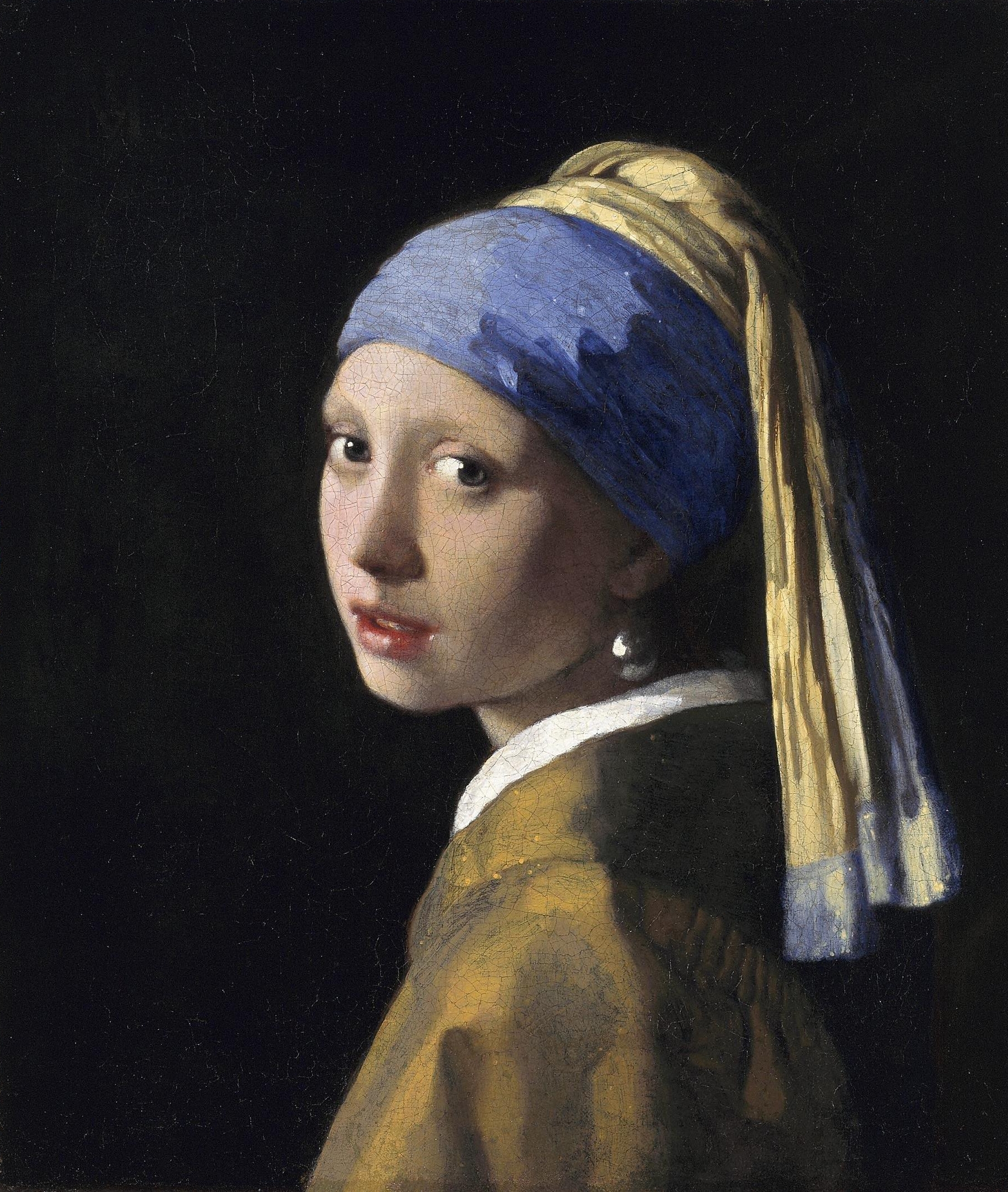
LUCAS: "Fata cu cercel de perla" de Vermeer. Este un portret al tăriei, deghizate în fragilitate. Al frumuseții, sub masca simplității. Când am văzut-o prima dată, am crezut ca-și reprimă o parte din ardoare. Cată dreptate am avut!


FULGER!

Ce-ți place mai mult la o femeie?
Încheietura mâinii, locul unde îi poți simți pulsul cu vârful degetelor sau cu buzele.

Parfum floral sau condimentat?
Condimentat

Lumina zilei sau lumina lunii?
Lumina zilei – înnorată È™i răcoroasă. E mai uÈ™or pentru schiÈ›at ... È™i face intratul în casă la căldura È™emineului mult mai plăcut.

Formația preferată?
Muse

Cafeaua favorită?
Cafea

Cartea preferată?
Franny È™i Zooey – Salinger

Boxeri sau chiloti?

Boxeri

Poftă trupească sau pasiune?
Da

Dacă ai putea merge oriunde, unde ai merge?
Chiar aici unde sunt

Cel mai bun cântec pentru a face dragoste?
Lost Without U -- Robin Thicke

Anotimpul preferat?
Toamna


Lucas, ne-a făcut o deosebită plăcere să te avem din nou invitat și te mai așteptăm și cu alte ocazii, acum că șederea ta în România a devenit permanentă. Salut-o și pe Jacqueline din partea noastră!


CONCURS #4
LOCUL 1 castiga un exemplar semnat E usor sa te iubesc.
LOCUL 2 castiga un afis E usor sa te iubesc 
LOCUL 3 castiga un afis E usor sa te iubesc 
LOCUL 4 castiga un set format din semn de carte Easy + Pandantiv carticica
Pentru a va inscrie completati raffle de mai jos.

CONCURSUL SE INCHEIE PE 01 APRILIE LA ORA 00.00
Pentru a nu fi considerat pacaleala, castigatorii vor fi afisati pe 2 APRILIE.

SUCCES!


a Rafflecopter giveaway

Multumim tuturor pentru efortul depus in realizarea acestui eveniment. Ne-am simtit extraordinar astazi in compania voastra! Va mai asteptam si cu alta ocazie. O seara placuta in continuare si weekend placut!


Si soarele e o stea

Bloguri, Bloggeri si Cititori